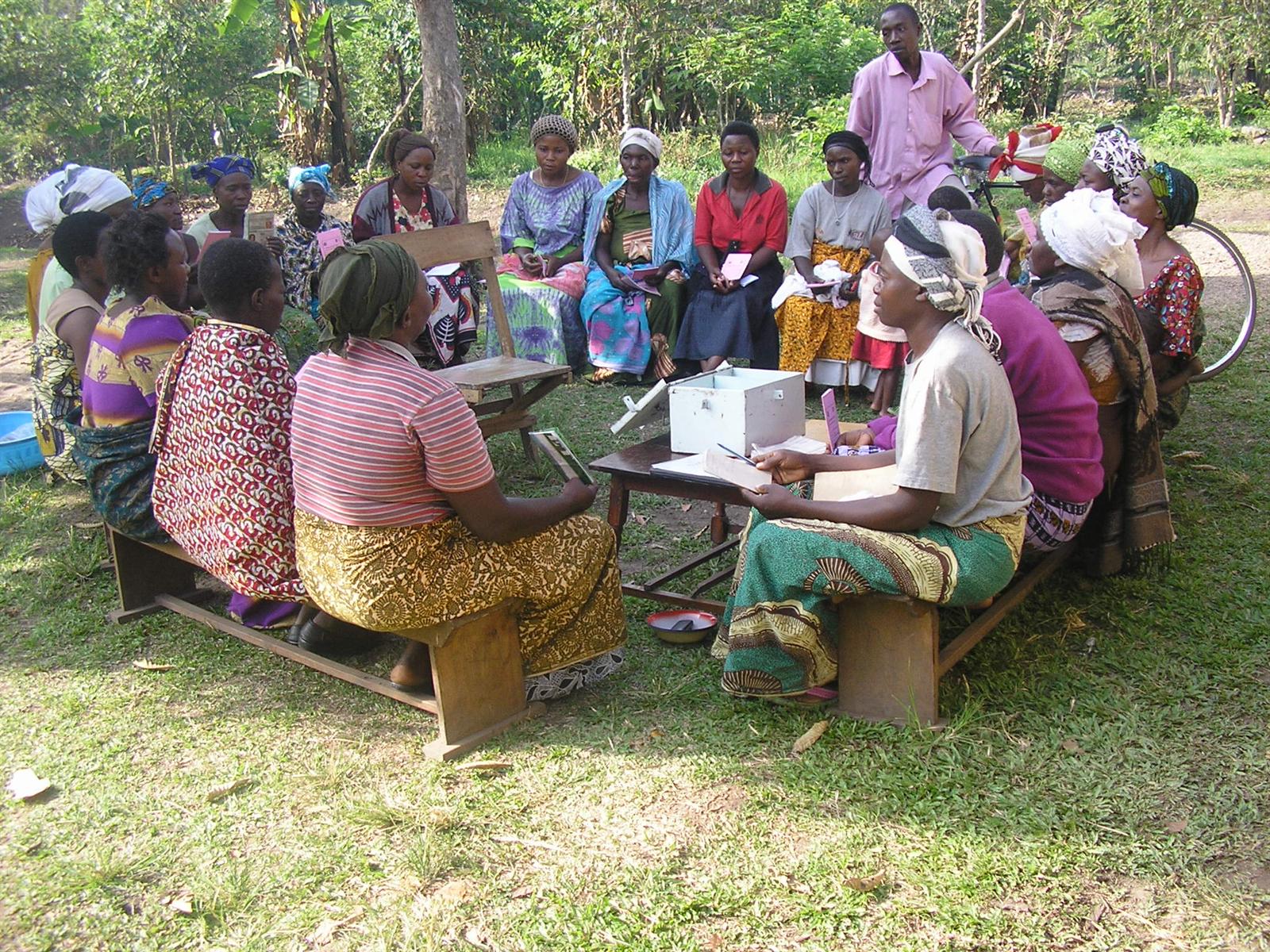
At BASU Rural Women SACCO, we recognize that micro-credit alone is rarely enough to break deep cycles of rural poverty. Women entrepreneurs in Western Uganda face unique, overlapping structural hurdles—ranging from volatile commodity prices and high transport blockages to lacking post-harvest storage tools and agricultural equipment.
To bridge these development gaps, BASU supports cooperative savings cells to build sustainable business baselines. We assist women's solidarity groups in coordinating production, sharing local equipment, and exploring collective marketing channels. This improves market access, strengthens bargaining power, reduces dependence on exploitative middlemen, and creates opportunities for members to increase household income over time.
Providing capital without capability leads to over-indebtedness. BASU Rural Women SACCO supports members by combining finance, tools, markets, and group accountability to transform savings into lasting assets.
Incubating small farm and trade businesses within local cooperative networks, guiding women through risk analysis and feasibility testing before they launch.
Utilizing cooperative solidarity groups to aggregate volume, lower transportation costs, share production tools, and reduce individual loan liabilities.
Delivering intensive literacy modules covering record keeping, bookkeeping, costing, and customer care before any credit access is granted.
Helping members move from selling raw agricultural crops to participating in local processing, quality drying, and cooperative marketing.
Supporting access to shared community assets like weighing scales, drying materials, and filtration tools to improve output quality.
Nurturing step-by-step savings-to-enterprise growth pathways to ensure members grow business assets sustainably without debt stress.
Our structured, six-stage approach guides rural women systematically from basic financial integration to resilient, collective market participation.
Bringing women together into self-managed savings groups to aggregate local capital, build strong mutual trust, and establish group accountability.
Delivering practical training in record keeping, cost calculations, bookkeeping, savings discipline, and conservation-friendly production methods.
Conducting pre-loan planning to verify repayment capacity, ensuring credit is used strictly for productive tools or trade inventory rather than consumption.
Assisting groups in accessing shared assets (e.g., weighing scales, aggregators, drying equipment) to improve production and reduce overhead costs.
Enabling women to pool harvests to bypass exploitative local middlemen, negotiate better bulk prices, and sell collectively to wholesale buyers.
Monitoring active enterprises closely, coaching group leaders, and guiding members to reinvest their profits back into business assets over time.
BASU combines functional skills, shared equipment, trade-focused networks, and peer mentorship to ensure robust economic progress.
To establish high-integrity business baselines, BASU coordinates structured financial literacy training. Members participate in comprehensive modules covering:
Isolated rural producers carry weak bargaining power. BASU positions members to pool harvests, bypass middlemen, and build structured access to local commerce by helping them:
Much of our local economic activity relies on informal trade. BASU actively supports rural women seeking to establish or build security in their household micro-enterprises, including:
Buying equipment individually is too expensive for single households. BASU positions groups to gain collective access to productive capital assets, which can support the use of:
Rather than pushing members directly into business debt, BASU supports a systematic pathway that moves women gradually from basic savings habits to resilient cooperative enterprise ownership.
To secure long-term commercial viability, BASU officers deliver regular field audits, mentorship panels, and support systems directly to savings and enterprise groups to foster:
BASU coordinates and supports four distinct collective cooperative sectors near the Rwenzori region, building resilient pathways for member aggregation.
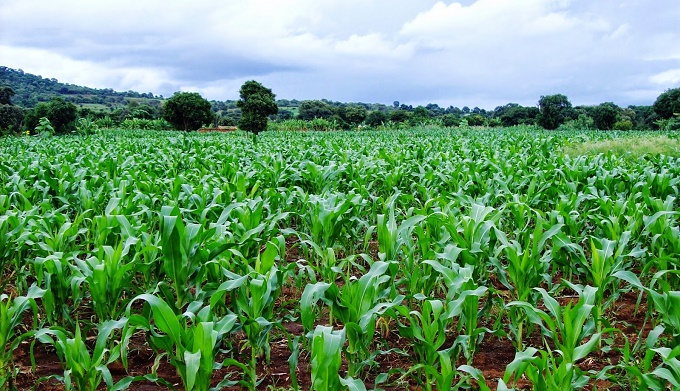
Maize is the primary crop in Kasese District, but individual farmers carry weak bargaining power and frequently suffer during harvest price drops. Currently, BASU supports members in aggregate crop collection at fair floor prices to prevent middlemen exploitation.
Future Opportunities: This initiative creates an opportunity for BASU to develop local processing and mill highly refined flour under the planned BASU Family Flour brand. Future growth may include securing supply opportunities in local schools, municipal markets, and retail networks, creating direct local jobs around distribution and milling.
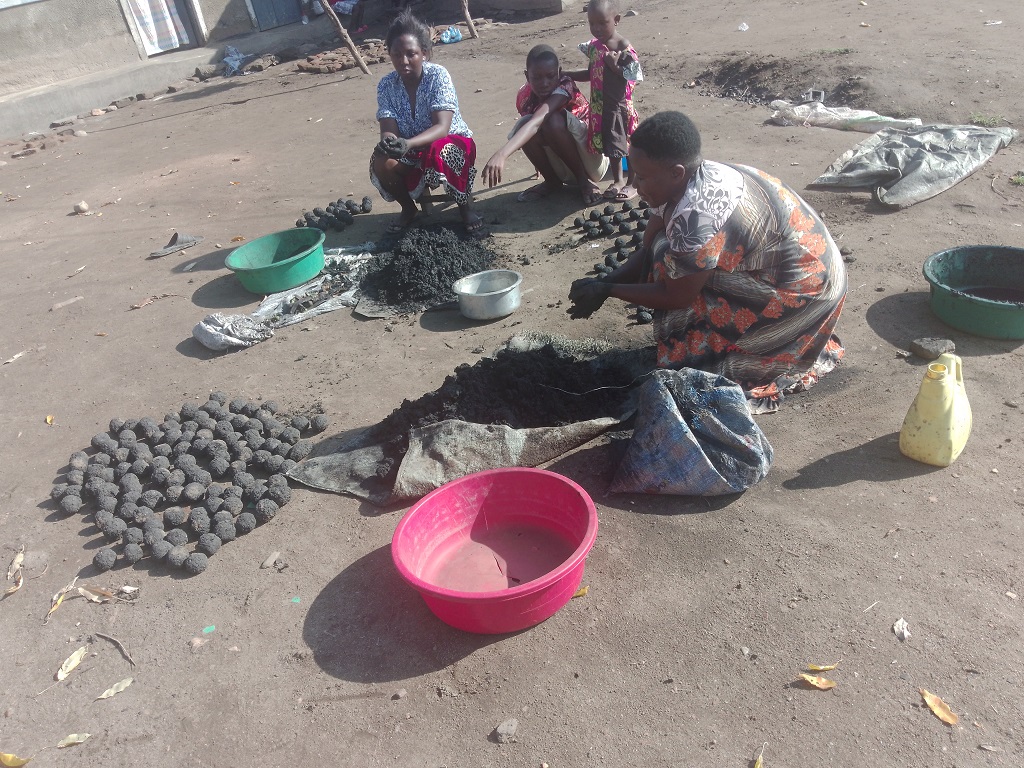
To protect the surrounding Rwenzori forest reserves from firewood clearing, BASU works with women's solidarity groups to collect and compact agricultural waste—such as maize husks and crop residues—into clean-burning charcoal briquettes for household cooking.
Future Opportunities: BASU is positioning this model to expand local distribution, coordinate with energy-saving clay cookstove initiatives, reduce environmental pressure on forests, and support sustainable, women-led green energy micro-enterprises that save families on fuel expenses.
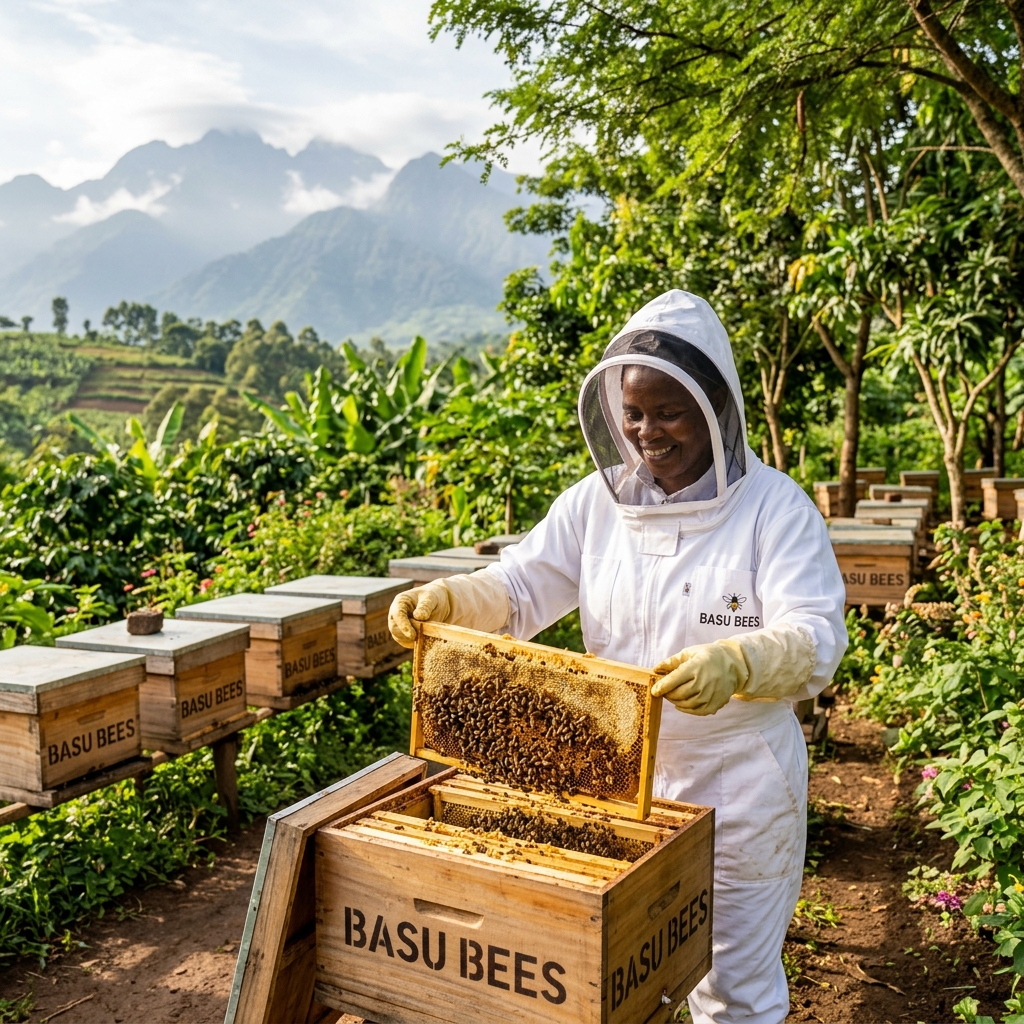
Beekeeping serves as an excellent conservation-friendly livelihood program for women living near forest borders. Members practice traditional honey harvesting and pool raw honey crops collectively.
Future Opportunities: To scale this stream, BASU can develop the supply of modern stenciled BASU Bees hives and cooperative protective suits. Future growth may include centralized filtering, packaging, and commercial honey bottling to access urban retail networks.
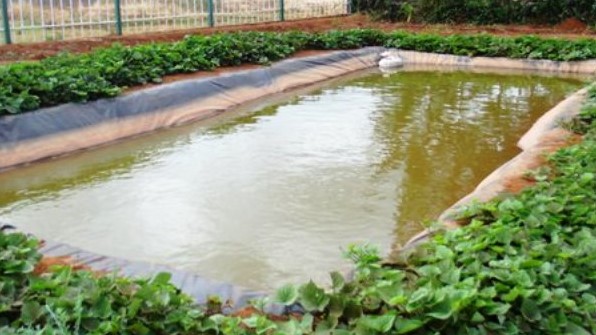
BASU supports women's groups in maintaining community-constructed freshwater fish ponds stocked with high-protein Tilapia and Catfish. This baseline work dramatically improves dietary nutrition for local cooperative households.
Future Opportunities: BASU is positioning this model to establish structured group pond management, deliver practical training in pond care, and create opportunities for sustainable local market sales to boost collective group reserves.
To continuously expand our economic horizons, BASU is actively studying and piloting phased entry into these high-potential developmental sectors as future growth opportunities.
Establishing collaborative poultry production hubs to meet municipal market demands for high-quality organic eggs and local chickens.
Positioning solidarity cells to process banana starch, dry bulk goods, and manufacture high-value local foods from fresh matooke.
Aggregating local coffee beans to support quality drying processes, sort raw beans, and secure higher prices on global agricultural markets.
Providing crop monitoring and cooperative security frameworks to assist vanilla farmers in Kasese against local crop theft.
Developing irrigated community vegetable gardens to grow cabbage, tomatoes, and onions, yielding stable household incomes.
Incubating small cooperative units to bottle fruit juices, process solar-dried fruits, and prepare wholesome local foods.
Scaling local vocational sewing centers to produce primary school uniforms, reusable sanitary pads, and handwoven craft goods.
Forming group purchasing syndicates to buy high-quality organic seeds, fertilizers, and tools in bulk, saving members on cost.
Developing simple ventilated metal silos and moisture meters to reduce crop losses and preserve grains safely for months.
Supporting women's groups in packaging, labeling, and branding their products, creating an opportunity for them to access municipal retail centers.
To guarantee complete developmental integrity and report accurately to international donor partners, we actively monitor and record these key performance metrics:
| Monitored Indicator | Verified Baseline Value | Target Goal |
|---|---|---|
| Number of women trained in financial literacy & business skills | 200+ | 1,000 |
| Number of active women's enterprise groups supported | 32 Groups | 50 |
| Value of member savings accumulated in groups (average per group) | UGX 1M | UGX 10M |
| Number of women accessing responsible, productive credit | 380 | 600 |
| Number of group enterprises supported with shared assets | 12 | 50 |
| Volume of raw agricultural produce aggregated collectively (MT) | 4 MT | 50 MT |
| Cooperative products processed, packaged, or branded (volume) | 1,800 Pcs | 5,000 Pcs |
| Cooperative markets or wholesale buyers accessed | 4 Channels | 8 Channels |
| Women reporting improved, sustainable household income | 25% | 85% |
| Households reporting increased capacity to pay school fees or buy food | 20% | 90% |
“BASU SACCO promotes responsible enterprise finance. Loans and enterprise support are guided by membership status, savings history, repayment capacity, group accountability, and SACCO policies. BASU’s goal is to help members grow sustainably without exposing families to harmful debt pressure.”
Are you an international NGO, social investor, cooperative partner, or development agency? Join hands with BASU Rural Women SACCO to scale our grassroots models. Partners can co-finance enterprise training, shared tools, product packaging, market linkages, financial literacy, climate-smart livelihoods, youth and women enterprise groups, value-addition infrastructure, or revolving enterprise support funds.